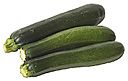
Common name: courgette (parts of Europe), garden marrow, ltalian squash, ong marrow, vegetable marrow (Britain), zucchini (Italy, U.S.), zucchini squash
Use the botanical name when ordering seeds (bulbs, etc.) or when looking up information in the library. Common names vary by nation, culture, and region, and sometimes the same common name is applied to different plants.
origin:
Origin: Derived from summer squash of Central America (grown by 5500 B.C.E.). Italians in Milan developed zucchini in the late 1800s and gave it its name.
history:
History: Italians in Milan developed zucchini in the late 1800s and gave it its name. Zucchini became popular among Italian immigrants in the Los Angeles area after the end of World War I. Zucchini is now more popular than all other forms of squash combined.
nutritional information:
Nutrition: Zucchini is high in beta-carotene (vitamin A, a natural antioxidant), folic acid, vitamin C, and vitamin E. Minerals include potassium, iron, calcium, magnesium, phosphate, copper, and zinc. Zucchini seeds contain traces of protease trypsin inhibitors, a cancer-preventing substance that inhibits activation of viruses and carcinogens in the digestive tract.
One-half cup serving of boiled zucchini has 18 calories, 0.3 grams of fat, 1.0 mg of sodium, 0.8 grams of protein, 3.9 grams of carbohydrate, and 1.3 grams of dietary fiber.
See also Chinese herbalism below for Chinese gender and Chinese flavor.
storage:
Storage: Eat zucchini within five days of purchase.
magickal correspondences and uses:
Gender:feminine (traditional western European magickal gender)
Non-toxic to animals: The American Society for the Prevention of Cruelty to Animals (ASPCA) Animal Poison Control Center has determined that zucchini squash “has not been reported as having systemic effects on animals or as having intense effects on the gastrointestinal tract.” —ASPCA
Free lessons on Witchcraft, ancient Goddesses, astrology, and nutrition. I will answer short questions on-line through TeenWitchdotcom at Twitter and in person in the Costa Mesa/Newport Beach area. I will teach you what you need to know to be a successful priest, priestess, or witch, including the ability to perform weddings and readings. For more information read Witchcraft lessons.
private and small group lessons
Contact Milo for information on private and small group lessons in Costa Mesa and Newport Beach, California. Tutoring in Witchcraft, chess, guitar, English grammar and writing, history, or computer programming. Low cost or free for the poor. Recommended donation of $25 an hour (or $15 for half an hour). Minors need written permission from parent or guardian. Send a self-addressed stamped envelope to: Milo, PO Box 1361, Tustin, California, USA, 92781.
Contact Teen Witch at Milo, PO Box 1361, Tustin, California, USA, 92781 (please include a self-addressed stamped envelope for any reply). My computer is broken, so I can’t send or receive e-mail.
These web pages are about witchcraft. Attempting to be an amateur doctor is potentially dangerous to your health. These web pages are not professional medical and/or legal advice. Nothing on this website should be considered as a substitute or replacement for professional legal and/or medical advice. Persons should seek the advice of qualified health and/or legal providers.
Recommended professional health providers in southern California: ayurveda, chiropractic, and yoga.
If you spot an error in fact, grammar, syntax, or spelling, or a broken link, or have additional information, commentary, or constructive criticism, please contactMilo the Witch at PO Box 1361, Tustin, California, USA, 92781.














 using
using  .
.